On-page SEO is the part of ranking you have full control over - no waiting on other sites to link to you, no guessing what Google's algorithm will do next. Here's every factor that actually moves the needle, in the order we'd tackle them on a real client site.
1. Title tags that fit and convert
Keep titles between 50-60 characters so Google doesn't truncate them, lead with the primary keyword, and write for a click - not just a crawler. A title stuffed with keywords and no clear benefit gets skipped in the results even when it ranks.
2. Meta descriptions with an actual reason to click
150-160 characters, one clear benefit, one soft call to action. Google can rewrite your description if it thinks it can do better - the way to stop that is to make yours genuinely good.
A 4MB hero image is one of the fastest ways to fail a Core Web Vitals check.
3. One H1, a logical heading structure underneath
Every page needs exactly one H1. H2s and H3s should read like a table of contents for the page - if you removed all the paragraph text and kept only headings, a reader should still understand the page's structure.
4. Content that fully answers the query
Thin content - a few generic paragraphs - loses to a page that actually answers every sub-question a reader has. This doesn't mean padding for word count; it means covering the topic properly, then stopping.
5. Internal links with real anchor text
Link to related pages using descriptive text ("our on-page SEO process", not "click here"). This helps both users and Google understand what the linked page is about, and spreads authority to pages that need it.
6. Schema markup on every page type
Organization schema on your homepage isn't enough. Service pages need Service schema, blog posts need Article/BlogPosting schema, FAQ sections need FAQPage schema - each one a small, low-effort win for both traditional rankings and AI-search visibility.
7. Compressed, properly-labelled images
Descriptive alt text (not "image1.jpg") helps accessibility and gives Google another relevance signal. Compress everything - a 4MB hero image is one of the fastest ways to fail a Core Web Vitals check.
8. Core Web Vitals that actually pass
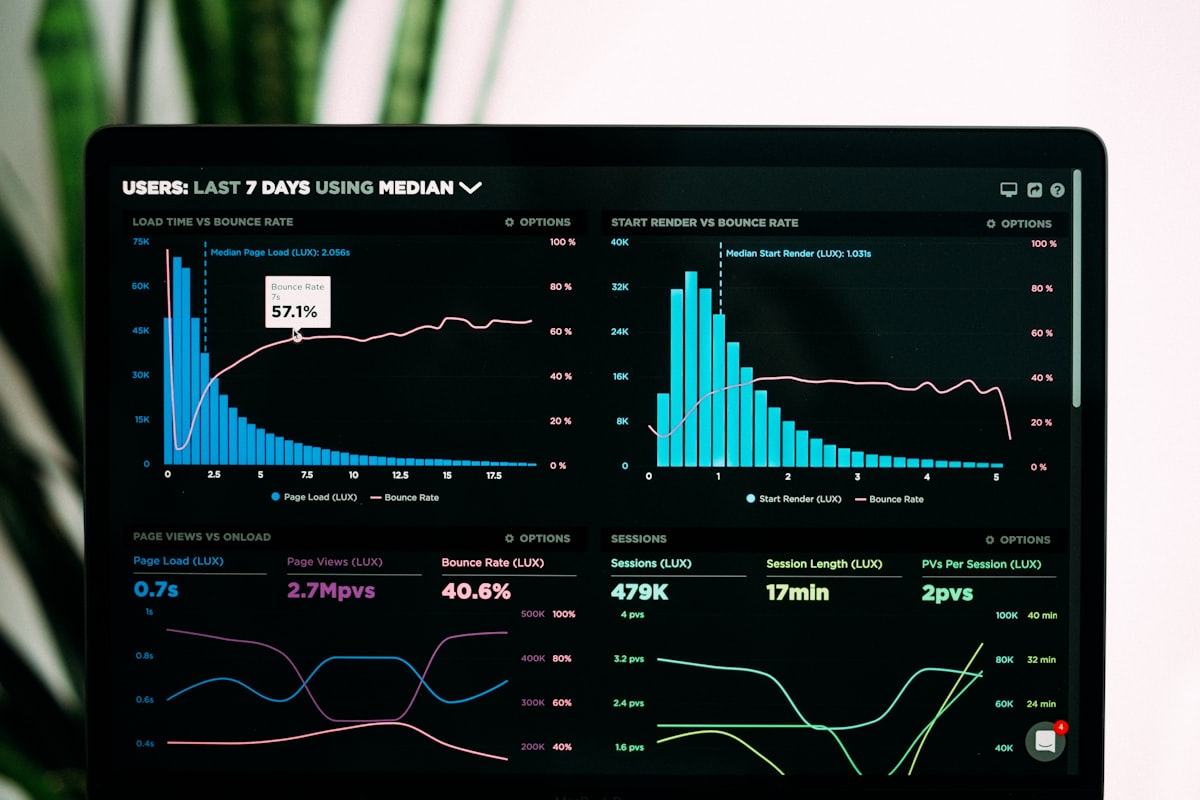
Loading speed, layout stability and interactivity are ranking factors in their own right now, not just a "nice to have." Run your key pages through Google PageSpeed Insights and fix what it flags - this is the most commonly skipped item on this whole list.
9. Clean URLs and correct canonical tags
Short, readable URLs without unnecessary parameters, and a self-referencing canonical tag on every page to avoid duplicate-content confusion when the same content is reachable through more than one URL.
None of this is exotic. It's just rarely done completely - which is exactly why doing all nine properly is still a real competitive advantage in 2026.
Want a free on-page audit of your site?
We'll show you exactly which of these nine factors are costing you rankings.
Explore Our On-Page SEO Service