"Should we run Google Ads or Facebook Ads?" is one of the most common questions a small business asks when they first set aside a budget for paid marketing - and it's usually the wrong question. The two platforms aren't really competing for the same job. Understanding what each one is actually built to do makes the decision much simpler.
Captures demand vs creates demand
Google Ads works on search intent. Someone types "book online consultation with dermatologist" or "buy running shoes size 9" because they already know what they want, right now. Your ad shows up in that moment, competing with other advertisers who are also trying to answer the same explicit request. This is demand capture - the demand already exists, and you're bidding to be the answer.
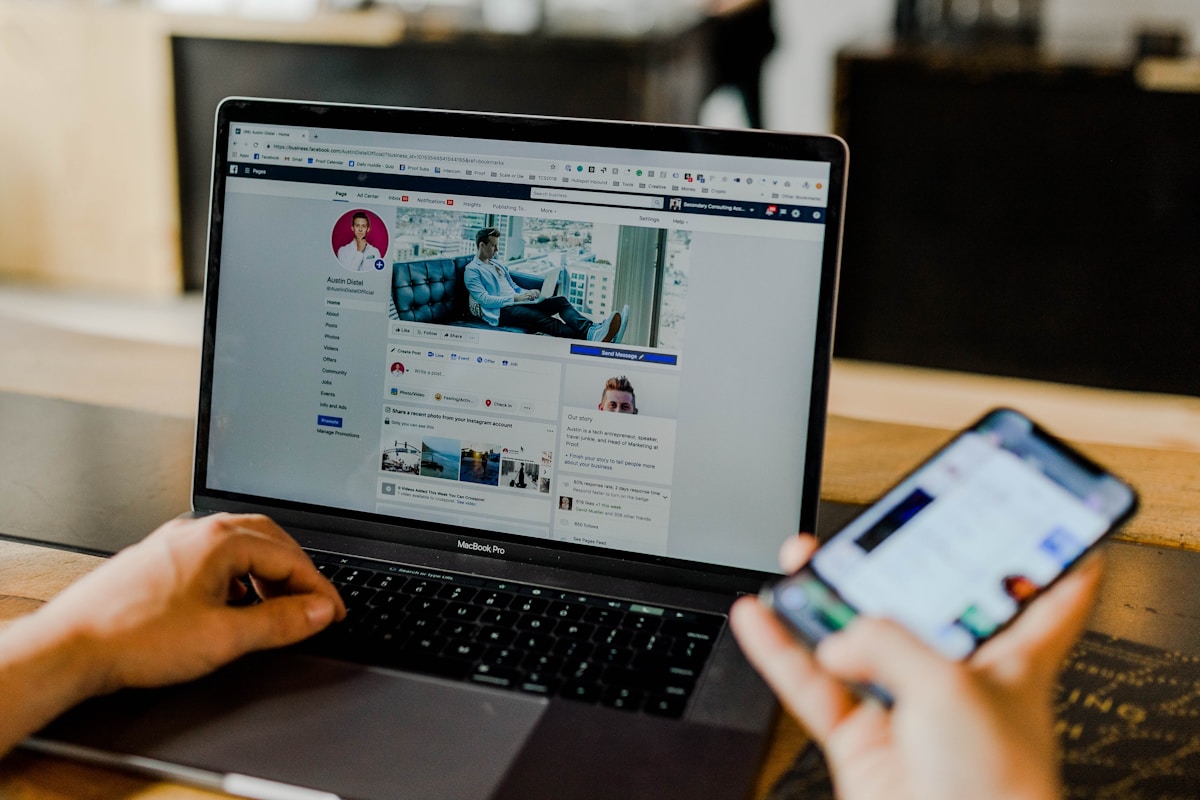
Facebook and Instagram Ads work differently. Nobody is searching for your product on their social feed. Instead, the platform shows your ad to people it predicts will be interested, based on their interests, behaviour and demographics. This is demand creation - you're introducing the idea to someone who wasn't actively looking for it yet.
Google Ads answers a question someone already asked. Facebook Ads asks the question for them.
When Google Ads is the better starting point
Google Ads tends to perform best when:
- Your product or service already has clear, existing search demand (people actively look for what you sell).
- You're selling something high-intent or urgent - services, repairs, purchases people research before buying.
- You want measurable, trackable conversions tied directly to a specific search term.
The tradeoff is competition and cost - popular, high-intent keywords attract many advertisers bidding for the same clicks, which can make it an expensive channel if the account isn't well structured.
When Facebook Ads is the better starting point
Facebook and Instagram Ads tend to perform best when:
- You're introducing a new product or brand that people don't yet know to search for.
- Visual, aspirational or lifestyle-driven products benefit from being seen, not just found.
- You want to build a retargeting audience - people who've visited your site or engaged with your content before, so you can bring them back later with a stronger offer.
The tradeoff here is that awareness doesn't always convert immediately - it often takes multiple touchpoints before someone who first saw your ad on Instagram actually becomes a customer.
Why most businesses eventually need both
In practice, the strongest setups usually combine the two rather than picking one permanently. Facebook or Instagram builds awareness and feeds a retargeting audience; Google Ads then captures that same person once they start actively searching, along with everyone else who was already looking. For a business just starting out with a limited budget, the honest guidance is to start with whichever platform matches where your customer already is in their decision - already searching, start with Google; discovering something new, start with social - and add the other channel once the first one is proving out.
Not sure which platform fits your business?
Tell us your product, budget and goal - we'll give you an honest recommendation, not a one-size-fits-all pitch.
Explore Our PPC / Google Ads Service